
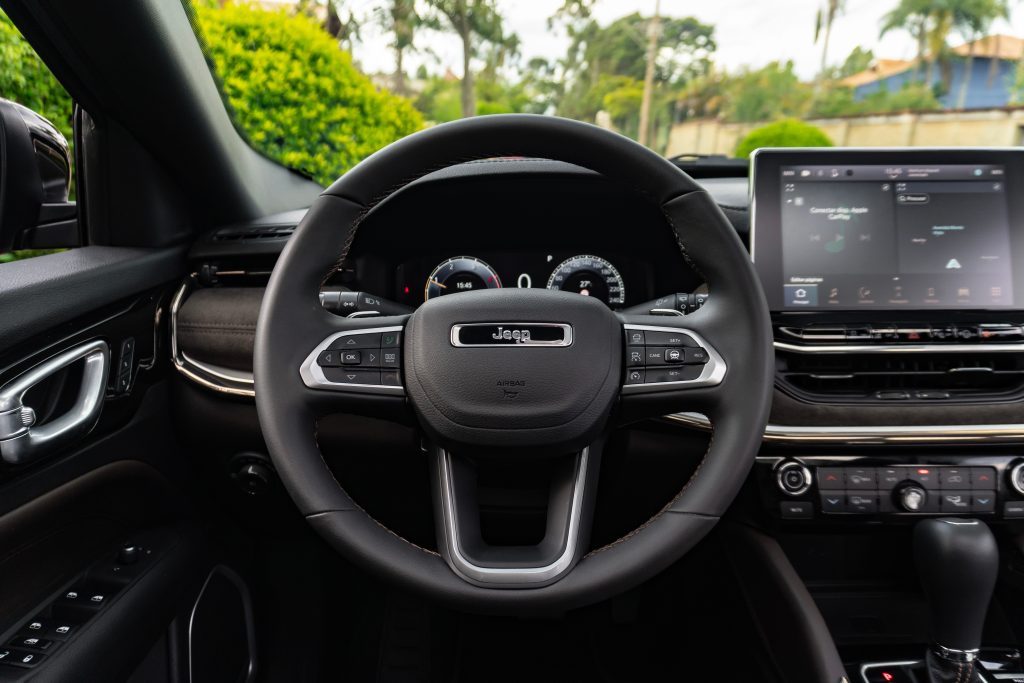
Engineering ergonomics uses human body data to make vehicles easier and more comfortable. It studies how people sit and move. It also measures what they can see and reach in a moving vehicle.
A 2025 passenger study found greater discomfort in a small car than in a larger sport utility vehicle. Arms and knees had the highest discomfort scores, showing how cabin width and body space can change passenger comfort. Good design gives the body support and keeps features within easy reach.
What Is Engineering Ergonomics?
Ergonomics in engineering connects product design with human limits. Engineers study body size and joint movement. They also examine how much effort a posture requires.
The University of Michigan explains that vehicle ergonomics research helps designers predict where occupants will sit and what they can reach. This data guides seat position and leg room, and helps set headroom and control placement. A cabin should fit the person instead of forcing the person to fit the cabin.
How Does Ergonomics Improve Passenger Comfort?
A comfortable seat supports the lower back and spreads body weight across the cushion. It should support the thighs without pressing behind the knees.
OSHA states that a neutral body position keeps joints in natural alignment. This supports design for user comfort because poor alignment can increase muscle effort.
Movement Changes How a Seat Feels
A seat may feel comfortable while a vehicle is parked. The feeling can change during turns or sudden stops. Road bumps can create another type of strain.
NIOSH reports that whole-body vibration can add stress to the lower back. Engineers reduce this force through the seat frame and cushion. The suspension also affects what reaches the body.
Head restraints and side supports limit unwanted movement. They should hold the body without making the passenger feel trapped.
User Comfort Design Covers the Whole Cabin
User comfort design includes more than the seat. Passengers need handles and storage spaces that are easy to use. Screens and air vents must work without causing strain.
Mayco describes how automotive interior design is moving toward cleaner cabins and personal settings. These features support optimizing the travel experience when they reduce clutter and make common actions easier.
Controls should be easy to see and understand. Vents should send air toward passengers without creating a harsh draft. Every touchpoint should solve a clear human problem.
Testing Finds Problems Before Production
Comfort goals must be checked with real people. Digital body models can reveal reach problems, but physical mockups show where a part feels awkward.
Early design collaboration lets teams correct space or material problems before tooling begins. This protects comfort and manufacturing quality. It can also prevent an expensive late change.
Teams can use rapid prototyping to test a revised panel or support surface. A physical sample shows whether the part fits the cabin. Users can also judge how it feels during normal use.
Engineering Ergonomics Creates Better Travel
Mayco International keeps major vehicle development stages within one connected process. The company can support interior and exterior components from design through production and delivery. This reduces the risk that comfort goals will be lost later.
This full program view supports consistent fit and practical design for user comfort. For help applying engineering ergonomics to a vehicle program, connect with Mayco International.