
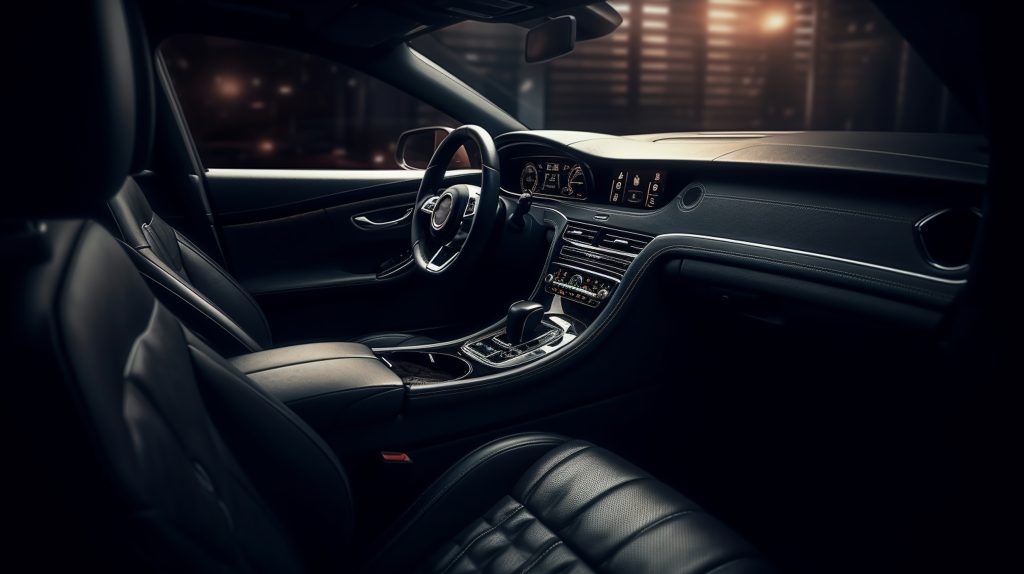
The three biggest trends reshaping automotive interior design are minimalist digital cabins, AI-powered connectivity, and sustainable, wellness-focused materials. Together, they represent a fundamental shift in how vehicle interiors are conceived, engineered, and experienced.
Car interiors used to be an afterthought: cloth seats, a radio dial, a glove compartment. Now, the cabin is the most competitive space in vehicle development. Automakers are investing heavily here because that’s where purchase decisions get made, and brand loyalty is built.
Whether you’re developing the next production model or tracking where the industry is heading, these three trends will shape every interior decision in the years ahead.
1. Is the Traditional Dashboard Becoming Obsolete?
Car interior styling has shifted dramatically over the past decade. Automakers now favor clean layouts that replace rows of buttons with large touchscreens and voice controls.
This approach actually makes the driving experience feel more intuitive. Some newer innovative car designs go further by removing the center console entirely, freeing up space for storage or a flat work surface.
Screens are getting bigger, yet the real focus stays on reducing visual noise. Some features making this shift possible include:
- Haptic feedback panels that replace physical buttons
- Voice-activated controls for navigation, climate, and media
- Curved display screens that wrap the full dashboard
2. Seamless Connectivity and AI Personalization
The cabin has become a very connected space. AI systems now learn a driver’s preferences over time, adjusting seat position, temperature, and suggested routes in a way that feels effortless. Luxury car interiors, in particular, are leading this shift, with premium brands offering fully personalized driver profiles.
Future vehicle trends point toward even deeper integration between the car and the driver’s digital life. Features like wireless charging, multi-device syncing, and augmented reality navigation are pretty much standard across more vehicle segments now.
3. What Does Sustainable Interior Design Actually Look Like?
Interior design materials are changing fast. Designers are moving away from traditional plastics toward recycled fabrics, bio-based composites, and plant-derived alternatives. Mayco International’s BioForm material, for instance, combines bio-based and recycled inputs to produce components that are 50% lighter with significantly lower CO₂; a strong example of how Tier-1 suppliers are meeting sustainability targets in real production.
Sustainable design also ties directly into passenger wellness. Some wellness-focused features gaining traction include:
- Low-emission seat fabrics that reduce cabin air pollutants
- Ambient lighting systems that support driver alertness
- Ergonomic seat designs built for improved lumbar support
Stay Ahead of Automotive Interior Design With the Right Manufacturing Partner
Minimalist cockpits, AI personalization, and sustainability-driven materials each reflect a broader truth: automotive interior design has shifted from functional afterthought to the core of the vehicle experience. Drivers expect comfort, connection, and environmental responsibility, all at once.
Mayco International delivers on all three. As a Tier-1 supplier with end-to-end capabilities spanning design, engineering, and full-scale manufacturing, Mayco brings proprietary innovations like BioForm (50% lighter with 45% lower CO₂) directly to leading OEMs. Contact Mayco International today if your next vehicle program needs a supplier who can take a concept from sketch to production floor.