
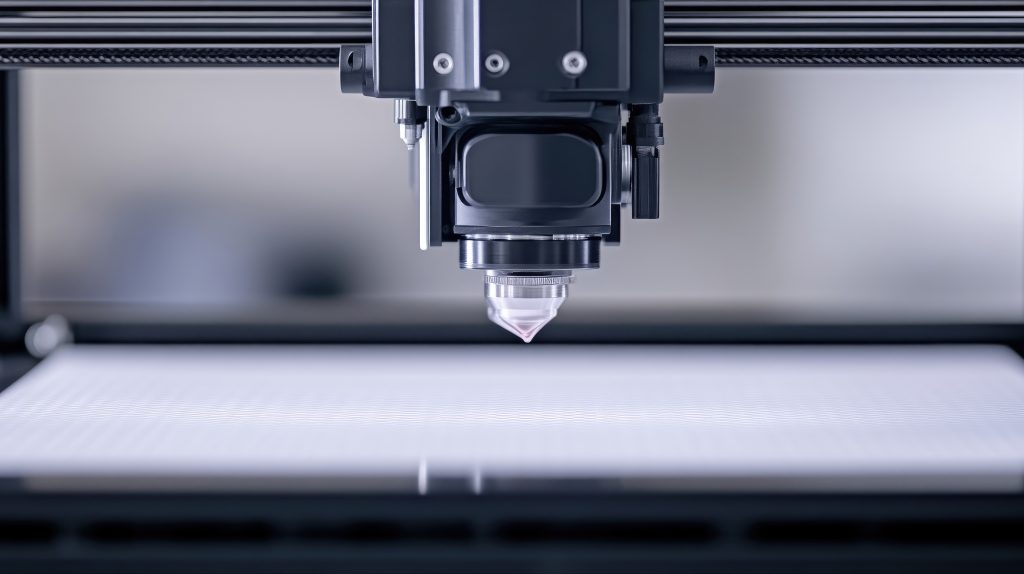
Bringing a new product to market faster requires shorter design cycles, fewer production bottlenecks, and the ability to test and refine ideas without high cost. Rapid prototyping and manufacturing make this possible by combining 3D printing processes, quick production methods, and lean manufacturing techniques to streamline product development from concept to launch.
Is your product launch timeline slowing you down while competitors move ahead? Rapid prototyping and manufacturing address this challenge by enabling faster design validation, low-volume production runs, and smoother transitions into full-scale manufacturing.
Technologies and Methods Driving Faster Product Development
Modern tools and systems help companies shorten development cycles and improve output. The right mix of equipment and workflow strategy supports faster testing, smoother production, and stronger manufacturing efficiency.
- 3D printing processes
- Digital design and simulation tools
- Lean manufacturing techniques and quick production methods
3D Printing Processes
3D printing processes allow teams to create prototypes directly from digital files. Designers can adjust a model and print a revised version within days.
That speed reduces delays during product development. Additive manufacturing supports complex shapes without expensive tooling, which makes early testing more practical.
Digital Design and Simulation Tools
Digital modeling software helps engineers test performance before building a physical part. Simulation tools identify stress points and design flaws early. Fewer surprises appear during production, which protects budgets and timelines.
Lean Manufacturing Techniques and Quick Production Methods
Lean manufacturing techniques reduce waste and shorten production cycles. Quick production methods support low-volume runs for pilot launches. Together, they improve manufacturing efficiency and give teams more control over scaling decisions.
The Strategic Value of Rapid Prototyping and Manufacturing
With 3D printing, engineers can test fit, function, and performance early in product development. Quick production methods make it easier to produce small batches for market testing without large tooling costs.
Rapid prototyping and manufacturing reduce gaps between departments. Digital files move straight from design to production equipment. That link improves manufacturing efficiency and lowers communication errors.
Faster iteration helps companies refine products before competitors react. Teams can adjust features, materials, or dimensions with minimal delay.
Business Benefits
Rapid prototyping and manufacturing help companies move from concept to launch with fewer delays and fewer surprises. Faster cycles give teams more control over product development and reduce the financial risk tied to new ideas.
Shorter design timelines mean products reach customers sooner. Teams can test, adjust, and approve designs without waiting months for tooling.
That speed improves manufacturing efficiency and keeps projects on track. Lower upfront tooling costs reduce exposure if a design needs changes. Companies can refine features based on real feedback instead of assumptions.
Lean manufacturing techniques support steady production without excess inventory. Quick production methods allow limited runs before full-scale rollout.
Better Manufacturing Efficiency
Rapid prototyping and manufacturing help teams move faster from idea to launch.
At Mayco International, innovation drives our work, and quality defines every result. We have a strong presence across North America and Mexico, delivering scalable interior and exterior systems to leading OEMs. We focus on smart design, rigorous validation, sustainable practices, and precise production to bring ideas to life efficiently and responsibly.
Get in touch today to find out how we can help with your manufacturing needs!