
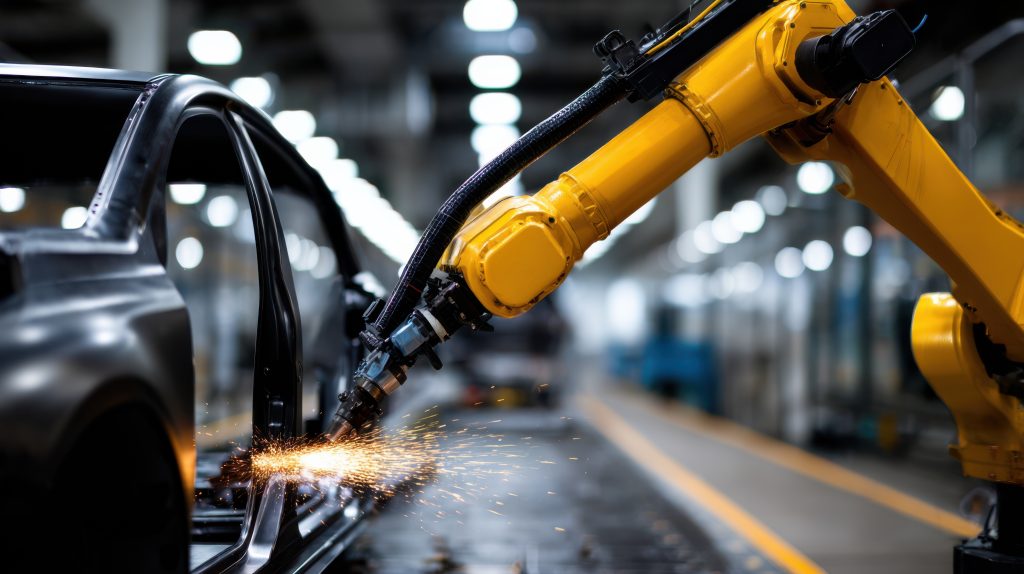
Innovative chassis manufacturing combines a lightweight multi-material chassis design with modular chassis platforms. It also includes advanced high-strength steel forming and 3D-printed chassis components. Integrated battery-ready chassis architecture completes the approach for modern vehicle design.
How much can a better chassis design improve performance and safety? Innovative chassis manufacturing is what turns bold vehicle ideas into strong, production-ready realities.
Modern vehicles demand adaptable, efficient structures. Chassis innovation makes that possible.
What Material Is Used for Making Chassis?
Engineers use different chassis production techniques to shape metals and composites that meet safety and performance goals. The most common materials include:
- Steel for durability and impact resistance.
- Aluminum for reduced weight and corrosion protection.
- Carbon fiber for high-end performance.
How Are Chassis Manufactured?
Chassis manufacturing starts with material selection and frame layout, guided by vehicle chassis design goals for load strength and stability. It also involves:
- Cutting and shaping metals or composites into structural sections.
- Bonding the sections into a single frame.
- Precision alignment to ensure fit with suspension and power systems.
Key Innovations in Vehicle Chassis Manufacturing
Modern chassis manufacturing focuses on creating stronger, lighter, and more adaptable vehicle structures through advanced engineering methods. Manufacturers are reshaping performance and design through:
Lightweight Multi-Material Chassis Design
In modern chassis fabrication, engineers blend several materials to achieve strength, safety, and weight balance. They combine metals and composites chosen for their performance in specific load areas, including:
- Steel for structural strength and crash protection
- Aluminum for energy absorption
- Magnesium for rigidity
- Composites for vibration control
Advanced High-Strength Steel Forming
High-strength steel forming uses heat and pressure to shape thin sheets into tough structural parts without adding bulk. The process involves:
- Heating steel to improve flexibility
- Rapid cooling to lock in strength
- Pressing shapes that distribute the load evenly
You get lighter components that still resist impact and wear.
Modular Chassis Platforms
In modern automotive engineering, modular chassis platforms let one frame support many vehicle types by changing only select parts. Engineers design shared bases where components like engines and suspensions fit in various layouts. The approach cuts tooling costs and speeds production while keeping structural integrity consistent.
3D-Printed Chassis Components
3D printing lets engineers create advanced vehicle components with complex shapes that standard tools can’t form. It builds parts layer by layer, cutting waste and allowing faster changes in design. You gain lighter, stronger sections that match the exact fit and function for each vehicle model.
Integrated Battery-Ready Chassis Architecture
Integrated battery-ready chassis architecture turns the battery pack into a structural part of the vehicle frame. Engineers design enclosures that support the floor, absorb crash forces, and improve rigidity. You get stronger handling and more cabin space while keeping the center of gravity low.
Advancing the Future of Chassis Manufacturing
Innovative chassis manufacturing drives vehicle performance through lighter materials, modular platforms, and integrated battery-ready structures. These methods enhance safety, handling, and energy use while reducing production costs and emissions.
At Mayco International, our BioForm, BioJect, PolyForm, and Structural Injection Compression technologies set new standards for strength and low-carbon design. We also run in-house labs for airflow, noise, flammability, vibration, and durability testing to ensure quality. Contact us to partner on next-generation chassis solutions that redefine vehicle design.