
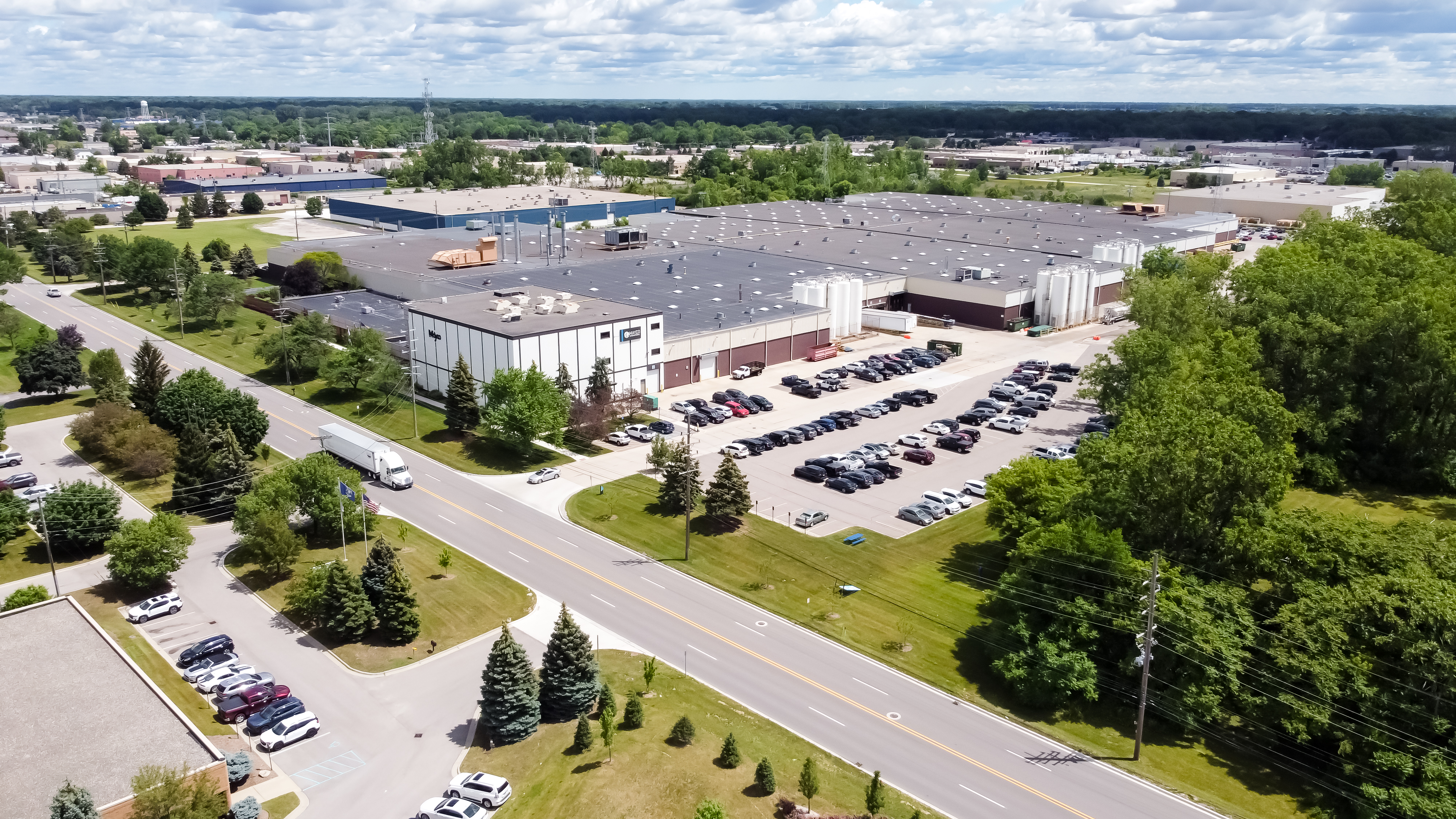
A tier-1 automotive supplier maps energy demands across its injection molding lines to guide its renewable strategy. They deploy on-site solar infrastructure that powers heavy machinery throughout the day. Modernizing that machinery lets them run on clean power without slowing production output.
U.S. energy-related carbon emissions fell by 20% across all sectors from 2005 to 2023, according to the EIA. As an automotive manufacturer, you can find ways to contribute to that decline.
Working with a tier-1 supplier that integrates renewable energy into its operations can lower your supply chain’s carbon footprint. Knowing how they do it can give you confidence that you’re partnering with an eco-conscious supplier who supports reducing emissions.
How Do Renewable Energy Transitions Impact Automotive Molding Production Costs?
Renewable energy shifts can affect production costs in different ways depending on:
- Plant size
- Machine load
- Energy storage capacity
- Local utility rates
- Equipment age
Solar and storage systems often carry upfront costs, but they can lower utility bills over time. Suppliers who plan their transition carefully can avoid production slowdowns while cutting long-term expenses.
What Powers a Tier-1 Automotive Supplier? A Zero-Emission Energy Guide
Tier-1 suppliers like Mayco International often commit to zero-emission goals across their molding facilities. Working with us can lower your carbon footprint without raising production costs. Knowing how we work on reducing plant carbon output can give you confidence in our commitment to long-term sustainability.
Mapping High-Volume Energy Demands
Every molding line pulls a different amount of power depending on:
- Cycle time
- Machine size
- Mold complexity
- Material type
- Shift schedule
Tier-1 automotive suppliers track this data closely to plan their renewable energy injection molding strategy. Accurate mapping helps them size solar and storage systems that match real production needs. Skipping this step often leads to underpowered systems that struggle during peak output hours.
Deploying On-Site Solar Infrastructures
Rooftop solar panels give molding plants a steady source of clean power during daylight hours. Many suppliers pair this setup with solar-powered factory automation, allowing robotic systems and conveyors to run without drawing power from the grid.
On-site generation also reduces transmission losses associated with traditional power delivery. Plants with large roof space can scale their solar arrays as production grows.
Modernizing Heavy Injection Machinery
Older molding machines tend to draw more power than newer, optimized models. Upgrading to energy-efficient tooling reduces the energy needed for each molding cycle.
Newer machinery also runs cooler, which can extend the lifespan of critical components. Smart controls on modern machines can adjust power use based on real-time production demands. Fewer breakdowns and shorter downtime windows can also add up to steadier output across every shift.
Partner with the Right Tier-1 Automotive Supplier to Cut Carbon Emissions
A tier-1 automotive supplier can lower emissions by mapping energy demands, deploying solar power, and upgrading machinery. Combining these steps with battery storage keeps production steady while cutting long-term carbon output.
At Mayco International, we treat sustainability as a core part of how we design and build automotive components. We have been operational for nearly two decades, refining our approach to energy-efficient manufacturing along the way.
Our commitment to quality earned us Supplier of the Year for Program Management from Stellantis in 2024. Partner with us to bring cleaner, smarter manufacturing into your next automotive project.