
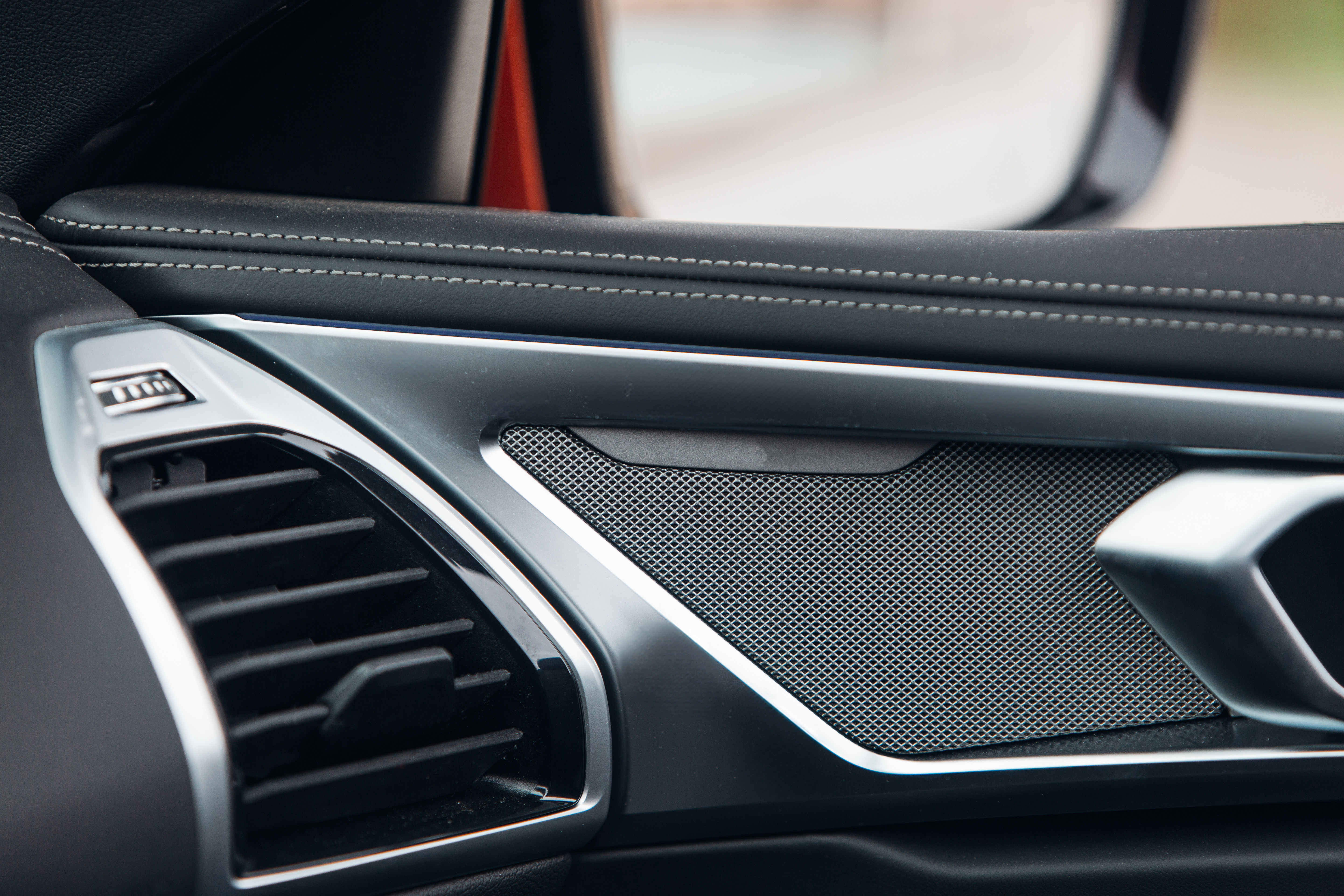
How do manufacturers create interior components that are both durable and recyclable? The answer involves simplifying material choices, reducing difficult-to-remove adhesives, and designing car door panels that can withstand years of use while remaining suitable for material recovery. These decisions strengthen performance and support sustainable auto manufacturing goals.
Automotive recycling already plays a major role in the industry. According to The Alliance for Automotive Innovation, roughly 95% of retired passenger vehicles enter recycling programs. Engineers are building on that foundation by developing interior components that are easier to repair, disassemble, and reuse.
Why Circular Design Is Reshaping Vehicle Interior Engineering
Vehicle manufacturers now consider what happens to materials long after a vehicle leaves the road. That change has altered the way companies approach sustainable auto manufacturing.
Engineers increasingly select materials that can be repaired, reused, or recycled more efficiently.
Circular automotive plastics are a major part of this effort. Designers also reduce material complexity and simplify assembly methods. These decisions improve recovery rates and strengthen the development of eco-friendly automotive interiors.
Engineering Durable and Recyclable Car Door Panels
Car door panels endure constant use throughout a vehicle’s life. They must resist:
- Moisture
- Impacts
- Sunlight
- Changing temperatures
Fleet vehicles place even greater demands on these components.
Engineers improve fleet interior durability by limiting material layers and selecting recyclable thermoplastics. Fasteners often replace strong adhesives because they simplify repairs and recycling. Circular automotive plastics have encouraged manufacturers to create car door panels that remain durable while supporting material recovery.
Material Innovations Driving the Next Generation of Interior Trim
Manufacturers continue to search for materials that combine:
- Strength
- Lower weight
- Improved recyclability
Much of that work focuses on bio-based composite trim and advanced thermoplastics.
Eco-friendly automotive interiors must also maintain their appearance during years of service. Materials that resist cracking and fading improve fleet interior durability and reduce replacement costs. Improved production methods further reduce waste and increase manufacturing efficiency.
Designing for Long-Term Fleet Performance and End-of-Life Recovery
Manufacturers now evaluate interior components across their entire life cycle. This approach strengthens sustainable auto manufacturing and reduces waste over time.
Circular automotive plastics simplify recycling and preserve more material value. Durable components also improve fleet interior durability by reducing repairs and extending service intervals. Long-term planning has become an essential part of modern vehicle design.
Discover Eco-Friendly Automotive Interiors
Building recyclable interior systems requires more than selecting new materials. Manufacturers must consider durability, repairability, and recovery from the start. Thoughtfully engineered car door panels, combined with smarter production methods, can strengthen sustainability efforts while delivering the long service life that modern fleets require across increasingly demanding operating environments today.
At Mayco International, we combine engineering expertise with a people-first culture to develop automotive components more efficiently and sustainably. Our team focuses on continuous improvement, recyclable materials, waste reduction, and energy-efficient operations while maintaining high standards for safety and quality. Multiple awards from Stellantis, Toyota, and FCA reflect our commitment to innovation, dependable performance, and smarter manufacturing solutions from concept through production.
Get in touch today to find out how we can help with your automotive manufacturing needs.